
Discover the Mind-Blowing Power of Polarizing Filters – You Won’t Believe Your Eyes!
Photography is a game of light and shadow, a visual narrative that hinges on your ability to manipulate and interpret the natural environment. Among the most potent tools in a photographer’s arsenal is the polarizing filter. This under appreciated piece of equipment is a game-changer, an unassuming hero with the power to transform your photographic feats from ordinary to extraordinary. Polarizing filters give you the power to control how light interacts with your camera, minimizing glare, deepening sky blues, and enhancing the vibrancy of colors. In this blog post, we will delve into the importance of polarizing filters, unveiling the magic they can bring to your photography experience.
What is a Polarizing Filter?

A polarizing filter is a camera accessory that attaches to the front of your lens and helps to reduce glare and reflections on shiny surfaces, such as water, glass, or metal objects. It’s made of a special material that filters out specific light waves to improve the image quality and color saturation. It can also darken the sky, making it appear more vivid and blue.
What Do Polarizing Filters Do?

Polarizing filters can perform three main functions: reduce glare and reflections, enhance color and contrast, and darken the sky. By cutting out the reflected light off surfaces, the polarizer filter can remove unwanted reflections and glare from shiny surfaces, whether it’s a landscape or still life shot. This results in clearer and more vibrant colors while reducing washed-out images and boosting the overall contrast. It can also deepen the blue hue of the sky, making it appear more dramatic.
Polarizing Filter: Circular vs Linear vs Variable
There are three types of polarizing filters: circular, linear, and variable.
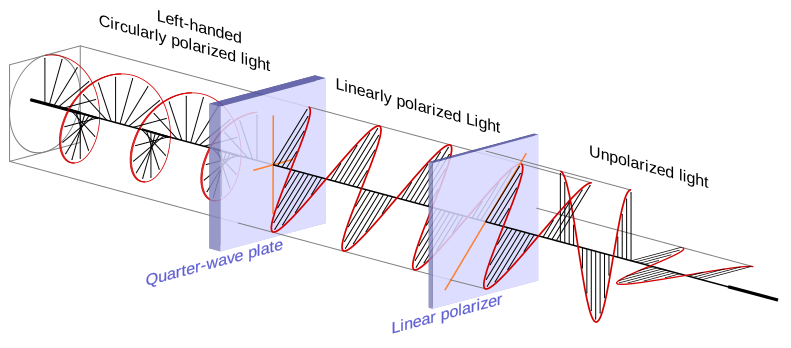
Circular Polarizers use a quarter-wave plate that rotates the polarization of light waves, which makes them compatible with autofocus and TTL metering systems.
Linear polarizers work by polarizing light waves in one direction, which isn’t compatible with some camera systems.
Variable polarizers, as the name suggests, allows you to vary the amount of polarizing effect, making them ideal for photographers who want more control over their images.
Polarizing Filter Comparison
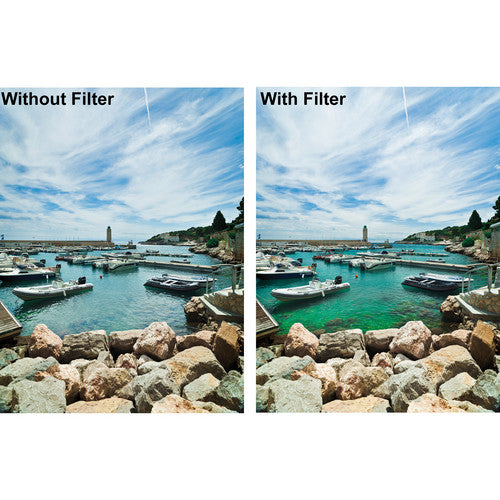

To give you an idea of how polarizing filters can enhance your photos, here’s an example of a polarizing filter comparison. Let’s say you’re photographing a body of water, and you want to reduce the glare on the surface of the water to capture the stunning colors underneath. Without a polarizing filter, the result might be an underwhelming image that lacks depth and interest. With a polarizing filter, you can see the vibrant colors and details you missed earlier. Take a look at the comparison below.
Best Circular Polarizer Filters
Now you know what a polarizing filter is, what it does, and the types available. The next question is, what are the best circular polarizer filters available? Here are three options you could consider:
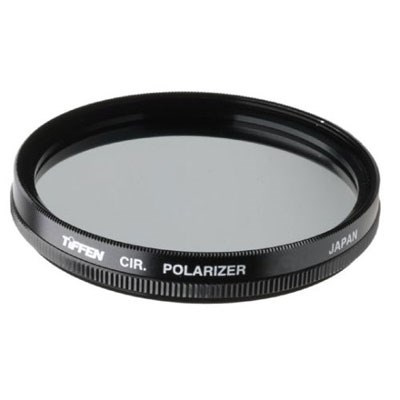
Tiffen Circular Polarizer Filter – This is a budget-friendly option, making it ideal for beginners. It provides excellent polarization, image quality, and durability.
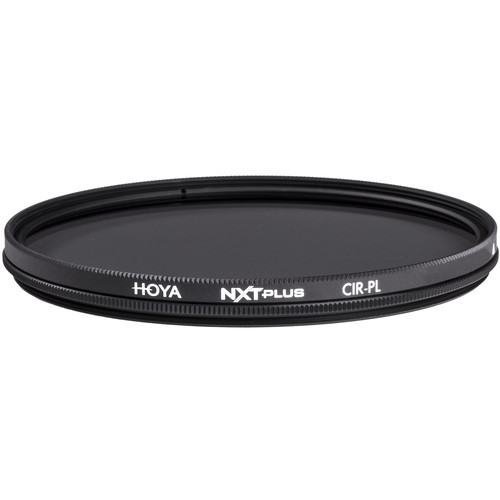
Hoya Polarizing Filter – This filter offers high-quality polarization while reducing glare and reflections. It’s also made of durable materials, making it ideal for outdoor photography.

B+W Circular Polarizer Filter – This filter is known for its superior optics, color neutrality, and exceptional quality. It’s ideal for professional photographers who want the best of the best.
There you have it, everything you need to know about polarizing filters. These camera accessories can significantly enhance your photos by reducing unwanted light and reflections while boosting vivid colors and contrast. The type of polarizing filter you need depends on your photography style, camera system, and budget. However, we recommend Tiffen Circular Polarizer Filter, Hoya Polarizing Filter, and B+W Circular Polarizer Filter for their high-quality optical performance and excellent value. Whether you’re shooting landscapes, portraits, or still life, a polarizing filter can improve your overall image quality and make your images stand out.


