
Easy yet genius shutter speed examples for you to try

Shutter speed is one of the three main settings, along with aperture and ISO, for the exposure triangle. By the end of this post you’ll know what shutter speed is and which to pick from the shutter speed examples to help guide you visually.
What is shutter speed in photography?
The Shutter Speed is the amount of time the shutter is open for to let the light pass through to the sensor. It’s measured in fractions of a second aka shutter speed stops, ranging from 1/8000 of a second all the way to 15mins.

What does shutter speed do?
We already know that it controls the amount of light allowed through and clearly the more time the shutter is open the more light comes in. But that’s not the only thing it does. Depending on your shutter speed you can choose to create dramatic features by either freeze motion or capture motion blur.
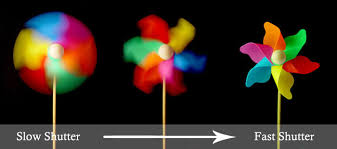
Here’s some shutter speed examples:
What is a slow shutter speed?
A slow shutter speed means its open for longer, typically 1/2 sec or longer. Most DSLR can do up to approx 30 sec before needing to go to BULB. However anything longer than 1/80 means that a tripod will be required.
Slow shutter speed examples
Slow shutter speed photography is great for things like light painting, long exposures, motion blue or low light situations like night photography. Night or long exposure require longer shutter speeds and higher ISO’s


Water blur comes from long exposure of 1/2 sec up

Night Photography is a classic
What is a fast shutter speed?
Fast shutter speeds are fast enough to freeze action, making it great for wildlife photography, sports photography, kids photography, fireworks etc.
Fast shutter speed examples
Fast shutter speed photography is great for things like 1/250th of a second or faster.

Pet or Wildlife Photography is full of action to be caught

Kid’s never sit still enough so why not catch the action

Food photography is a favourite for playing with shutter speeds.
How do I find my shutter speed?
Shutter speed is often displayed on your camera’s LCD as a number or faction.
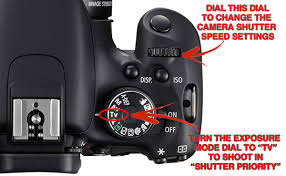
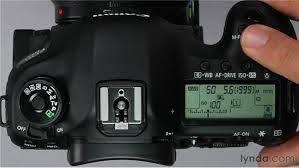
How do I change my shutter speed?
Different camera’s do it differently, but most entry level DSLR’s have a shutter priority mode like this one on canon.

How to change shutter speed on canon?
You have two options here: Manual or TV which allows you to adjust just the shutter speed. Check out the shutter speed examples below for how to change shutter speed on canon and nikon.

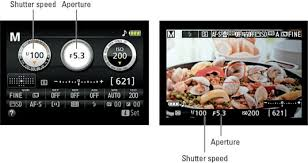
Some Nikon and Sony Camera also have a shutter priority mode (S)
What is the best shutter speed?
Well that depends completely on what you’re trying to achieve.
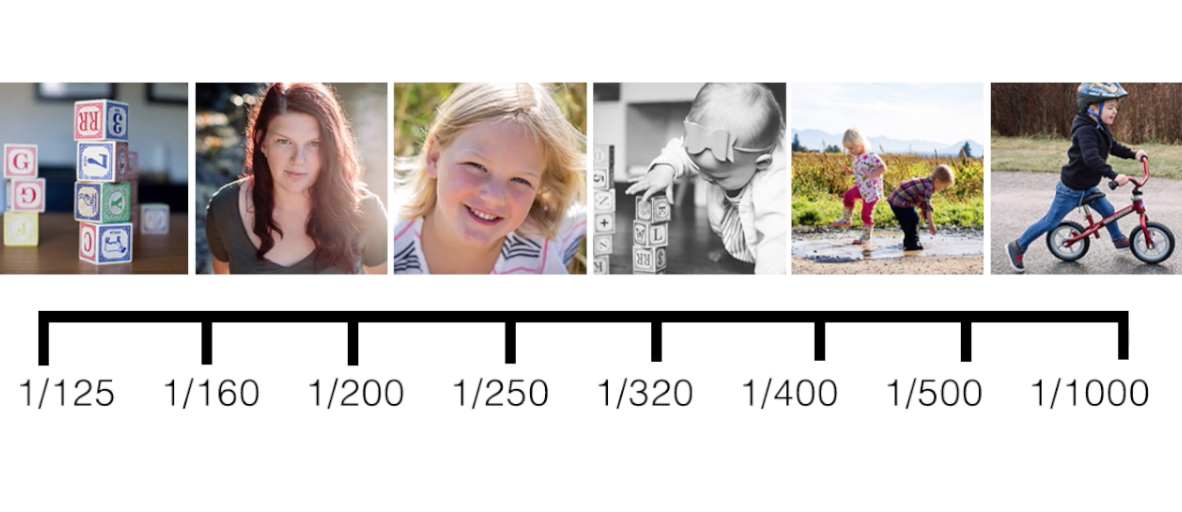
Shutter speeds for sports will be faster to enable them to freeze the motion 1/800 is normally a good place to start.
How to pick the right shutter speed and Iso?
Is your subject Moving?I know at first this might seem like an odd questions but trust me, it’s the first question I ask myself when picking my Shutter Speed and ISO.
Is your subject Moving?
I know at first this might seem like an odd questions but trust me, its the first question I ask myself when picking my Shutter Speed and ISO. If my subject is still, like a flower, then I know I can use a slower shutter speed and and a lower ISO. However, if my subject is moving, I have to decide is I want to freeze the action shot or show motion blur. Again, this all depends on what you are looking for in your photo. See below a brilliant cheat sheet from Zippi.co.uk giving you a starting point for different types of shutter speeds.

So how does Shutter Speed and Aperture effect the Iso?
Both Shutter Speed and Aperture effect the amount of light let in. Aperture is the size of the opening while Shutter speed is the time the opening is actually open. So how much light do you have? As you move each other these , you are either doubling or halving the amount of light. If I move my shutter speed up on, I need to either increased my aperture or ISO to compensate. As a Children’s photographer, I rarely change my aperture and therefore I must increase my ISO. If you want to learn more about balancing these, check out the photography triangle.
What is ISO?


ISO or International Standards Organization, and it is a standardised industry scale for measuring sensitivity to light. The higher the number the more sensitive the sensor is. So why not just wack the ISO up? Well, because it effect’s the quality of the image. The more ISO the more Grain on the image. Someone once said to me that ISO is like bee’s collecting light. The more bee’s out there, the more light you get. However, it leaves this spotty look over your image. Check out the image below to see what higher ISO’s can be like.

Can you see the difference?
Now you need to learn how to balance all of these things in order to obtain a good exposure. Don’t worry. I’ll help you nail your exposure every time.


