
Digital zoom vs optical zoom: What’s the difference?
Photography is all about capturing the perfect shot – and sometimes that means getting up close and personal. But what’s the difference between digital zoom and optical zoom, and which one is better for your photography needs?
Digital Zoom vs Optical Zoom
Digital zoom and optical zoom are two ways to magnify your subject when taking photos.

Digital Zoom:
Digital zoom is a camera function that enlarges a portion of the image on the camera’s sensor to simulate a zoom lens. This zooming method does not require any mechanical movement and only magnifies the pixels that are already captured. Put simply, digital zoom uses software to magnify pixels in the image, which can result in grainy or blurry images, particularly when zooming in on small details.
Optical Zoom:
Optical zoom, on the other hand, involves the physical movement of the camera’s lens to adjust the focal length, which magnifies the image without losing quality. Optical zoom is a much better option and is commonly considered superior to digital zoom as it produces sharper images, and the quality of the image is not compromised. By moving the actual optical glass elements within the lens, the image is enlarged, and the focal length and angle of view changes. Optical zoom varies from lens to lens, but photographers can generally capture more detail without losing any resolution.
Advantages of Optical Zoom:
Optical zoom is the best option when you cannot physically get closer to your subject, or when it’s tough to move closer without affecting the entire composition. Another advantage of optical zoom is that the image quality remains consistent throughout the entire zoom range. The camera maintains the sharpness while you zoom in or out, making it easier to capture close-up photos of your subject without causing any distortion in the image.
Disadvantages of Digital Zoom:
The downside to digital zoom is that it produces a lower quality image than optical zoom. Digital zoom also magnifies the pixels rather than the image itself, which can cause the final image to appear grainy and pixelated. If you are trying to achieve high-quality images, avoid using digital zoom as it results in a low-resolution picture that lacks sharpness and clarity.
FAQ about zoom
How do you find the optical zoom?
The optical zoom of a camera is determined by the maximum focal length of the lens and the minimum focal length. The higher the ratio between these two measurements, the greater the optical zoom. On smart phones there is normal a button to switch between the lens. Pitching is normally a digital zoom. While on DSLR you zoom by rotating the telephoto lens to a longer focal length.
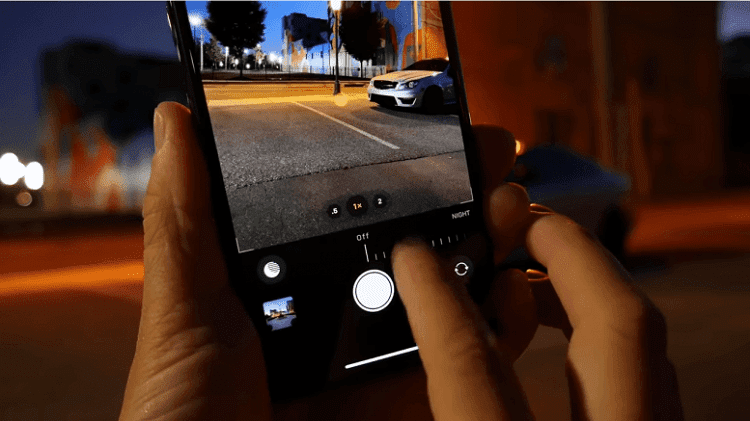
Which iPhone models have optical zoom?
IPhone models 14, 12, 12, and 11 all come equipped with both digital and optical zoom functionality – but do you know the difference? With two or more rear cameras, any iPhone is capable of achieving stunning optical zoom for your pictures. See how above.
What has lens compression got to do with zoom?
Lens compression refers to the visual effect produced by using a telephoto lens or zooming in on a subject from a distance. When using a telephoto lens, objects in the background appear closer and more compressed, creating the illusion that they are closer to the subject than they actually are. This compression effect can make distant objects appear larger and more prominent in relation to the subject. It’s commonly used in portrait photography to flatten the perspective and create a pleasing background separation.
So, Which One Should You Use?
It goes without saying that optical zoom is your best option when it comes to capturing high-quality images. It’s better to use an optical zoom lens rather than using digital zoom because the lens has the added advantage of clarity and the level of detail in the photo is much higher. When you use digital zoom, it’s similar to cropping an image digitally before or after the photo has been taken, leading to a loss of the original resolution. With optical zoom, you preserve that original resolution, making it ideal for photography like wildlife and landscape shots where getting closer to the subject is not always an option.
In the end, the choice between optical zoom and digital zoom is determined by the subject you’re shooting, distance from the subject, and how much detail you want to capture. A good lens with optical zoom is essential to high-quality photography and can enhance the interest and creativity of your photographs. Whether you’re an amateur or professional photographer, understanding the difference between digital zoom and optical zoom is crucial for achieving the best possible shot. #DigitalZoomVsOpticalZoom #PhotographyTips


