
Baffled by Aspect Ratio? Get the Answers You Need Now!
If you create content for social media, then you know that aspect ratio is everything. With so many different platforms out there, it can be hard to keep up with what’s what. But don’t worry – we’re here to help. In this post, we’ll break down everything you need to know about aspect ratio. So whether you’re a newbie or a pro, you’ll be able to get the info you need and get creating!
What is aspect ratio and why does it matter?
It’s a term that is thrown around often in conversations about film, photography, film cameras and image editing. But what does it actually mean?
In its simplest terms, aspect ratio is the relationship between the width and height of an image or video. It’s expressed as two numbers separated by a colon (e.g. 16:9), and defines how an image looks on screen.
What’s really important to understand is that different media requires different aspect ratios – for example, standard 16:9 resolution works for most digital presentations except for cinema which usually has wider aspect ratios (2.35:1). What this means for photographers is that understanding different medium format and aspect ratios can help them capture images properly framed without having to crop afterwards! Knowing the importance of aspect ratio can make a big difference to your creative projects!
The most common and best aspect ratios
Aspect ratios help shape the way audiences are viewing art and entertainment because it is a critical part of what helps tell stories. Whether you’re watching a movie, looking at photographs, or even playing a video game, it’s important to know that not all two display aspect ratio and ratios are the same. The best aspect ratios vary depending on the type of content being consumed- common ones include 1:1, 4:3, 16:9, 21:9 and 2.35:1.
Each type specific aspect ratio offers a different cinematic experience and allows the audience to view artwork in different ways; for example 4:3 is perfect for streaming TV shows while 21:9 ensures movies fill up more of your screen. Paying attention to aspect ratio can truly improve how you appreciate art and entertainment!
16:9 Aspect Ratio best for Youtube

The most common aspect ratio is 16:9, and it’s what you’ll find on modern HDTVs and computer monitors. It’s perfect for watching movies, TV shows, and other digital content as it allows full screen visuals without any cropping or distortion. If you’re shooting a video or creating graphics for social media, this is the aspect ratio you’ll be using most often.
9:16 Aspect Ratio: Best for Tiktok, Reels and shorts
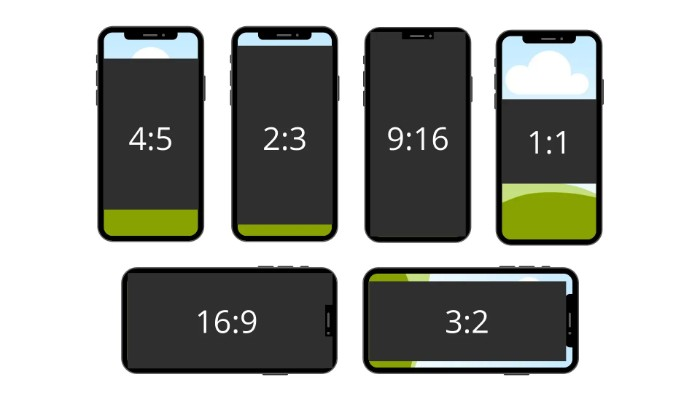
The 9:16 aspect ratio is becoming increasingly popular for mobile content such as social media posts, stories, and short videos. In this case, the width of the image is smaller than the height—meaning that more content fits on your smartphone screen (which typically has a 16:9 aspect ratio). This format works great for sharing small photo or video clips, posting pictures, and creating stories.
1:1 aspect ratio: Best aspect ratio for Instagram and Facebook

The 1:1 aspect ratio or square format (also known as square image) is the preferred choice for social media platforms such as Instagram, Facebook, and Twitter. This format works really well for posting images since it fits perfectly into the standard feed without any cropping or distortion.
2:3, 3:4 & 4:5 :Best aspect ratio for photos & print sizes

Print media such as magazines, newspapers and brochures have a much different aspect ratio than digital content. The most common aspect ratios are 2:3 (4×6 inch), 4:3 (6×8 inch) and 4:5 (8×10 inch). These popular aspect ratios are perfect for printing out photographs and other images because they can be easily printed out in a standard size without any cropping or distortion, making them ideal for viewing on mobile devices. 4:5 vertical image has become more a popular aspect ratio for photos when viewing on mobile.
Tips for choosing the right aspect ratio
Choosing the right aspect ratio depends on what you’re creating. Start by asking yourself a few questions:
- What kind of content are you creating?
- How do you want it to look?
- Who is your target audience?
Once you have the answers to these questions, it will be easier for you to choose the right aspect ratio. Ultimately, understanding different aspect ratios and how they work can help make sure your creative projects turn out just the way you envisioned them!
How to change the aspect ratio in camera

Most digital cameras have a default aspect ratio dependent on the camera’s sensor, but it’s very easy to change it. To do this, look in the settings menu on your camera and find the option for adjusting the aspect ratio. You’ll be able to choose from a range of ratios depending on your device (e.g., 4:3, 16:9). Additionally, some digital cameras also allow you to set the aspect ratio when shooting a video. To do this, simply look for the same aspect ratio option in the video settings.
Why aspect ratio is important for video and film
Aspect ratio is an important feature of video and film production because it determines the shape and size of the frame used to capture a scene. It affects how we view the content, allowing filmmakers to ultimately create the look and feel they desire. Different aspect ratios also influence our perception since wider formats illustrate a larger field of vision, while narrower frames give us close-up images with more intimacy. Directors can choose different aspects based on the story or style they want to convey, such as using a tall frame for an epic grandeur or a squarish format for an intimate drama. All these elements can come together to tell an engaging story that keeps audiences hooked from start to finish.
What aspect ratio for anamorphic format?
The anamorphic format is a special type of aspect ratio that’s used in film and television production. It has an aspect ratio of 2.39:1, which means it’s much wider than the standard 16:9 ratio used for digital content. This elongated shape allows filmmakers to capture more details on each side of the frame, giving the footage a more cinematic look. Anamorphic lenses are often used when shooting action scenes or wide landscapes to capture all the details in one shot. This format also gives directors more freedom when it comes to composition and framing, allowing them to get creative with their projects. Your choice can make all the difference in how the final product looks and feels.
Aspect Ratios FAQs
Are 4:3 or 16:9 photos better?
It really depends on what kind of content you’re creating. 4:3 is great for shooting traditional portrait photos, while 16:9 is better suited for landscape photography or video production. Ultimately, it’s up to you to decide which format works best for your project.
What aspect ratio should portrait photos be?
Portrait photos should typically use a 4:3 aspect ratio. This will ensure that the subject is displayed in the most flattering way, with no unnecessary cropping.
How do I change the aspect ratio of a picture?
Yes, it is possible to change an image’s aspect ratio. You can do this manually in camera by changing the aspect ratio, or you can use a photo editing program to do it automatically after. Some software also offers tools specifically designed to adjust aspect ratios.
Can you resize on Canva for free?
Yes, Canva offers a range of tools to help you resize images for free. It’s especially useful when resizing images to fit certain frames, so take some time to try it out yourself. The aspect ratio measurement is also hugely beneficial in graphic design and layout making, allowing you to get creative while ensuring the pieces all fit together however this will potentially cut off parts of the image.
Which aspect ratio is best for mobile photography?
The best aspect ratio for mobile photography is typically 16:9 or 9:16. This format is the most common in modern smartphones, allowing for a wider field of view and more details in each captured image. Additionally, this ratio is suitable for both landscape and portrait shots, giving you plenty of flexibility when taking photos on your phone.
Finally, it’s worth noting that some devices come with specialized camera apps that offer support for different aspect ratios. These tools can be great for creative photography, so make sure to explore them before settling on a particular format.
What is the aspect ratio of a panoramic photo?
Panoramic photos typically have an aspect ratio of 3:1, making them much wider than a standard 4:3 or 16:9 frame. This allows you to capture more details within the same frame, creating stunning shots that are sure to wow your audience. Additionally, many smartphones now come with built-in panoramic mode in their camera apps, making it easier than ever to capture these unique shots.
How to shoot square format on dslr?
Shooting in the square format on a DSLR can be done by setting the aspect ratio to 1:1. This will ensure that your images are perfectly square, with no distortion or unwanted cropping, however it won’t capture past this aspect ratio. If you want to capture a wider angle, you’ll need to set the aspect ratio accordingly.
What aspect ratio should i use for video?
The aspect ratio you choose for your video will depend on the content of the video and its purpose. If you’re creating a traditional cinematic film, it’s best to use an aspect ratio such as 16:9 or 2.39:1. This will help give the footage a more cinematic look and feel. On the other hand, if you’re creating a more modern video production or mobile viewers, aspect ratios such as 9:16 or 2:3 may be the better choice.
How to calculate aspect ratio
Calculating the aspect ratio of an image is surprisingly easy if you know what to look for! It simply involves dividing the width of an image by its height, which will give you a number that represents the landscape or portrait orientation as well as its dimensions. Knowing this information can be useful when resizing images to fit certain frames, so take some time to try it out yourself. The aspect ratio measurement is also hugely beneficial in graphic design and layout making, allowing you to get creative while ensuring the pieces all fit together perfectly. Go ahead and sharpen your skills by calculating an aspect ratio today!
As we’ve seen, aspect ratio is a crucial factor when it comes to creating visually appealing videos or films. Understanding the different types of aspect ratios and how to calculate them can help you to produce something that looks great and professionally crafted. Knowing how important aspect ratios are for creates can help you to create captivating visuals that will impress your audience for years to come. Overall, make sure you put ample time into researching the right aspect ratio for your project as it can make a huge difference in its overall effectiveness. Now that you have all the information needed to make an informed decision, go forth and take your visuals to the next level!


