
What is focal length? – Focal length comparison guide.
We all know that photography is an art form. We use different lenses to create the perfect shot, but what is focal length?This blog post will provide a brief overview about focal lengths, why they are important, and how to measure them. We’ll then go through some examples of photography with different focal lengths as well as tips for using wide-angle and telephoto lenses. Finally, we’ll talk about what focal length is best for taking pictures on a mobile phone camera so that you can take better photos!
What is focal length?
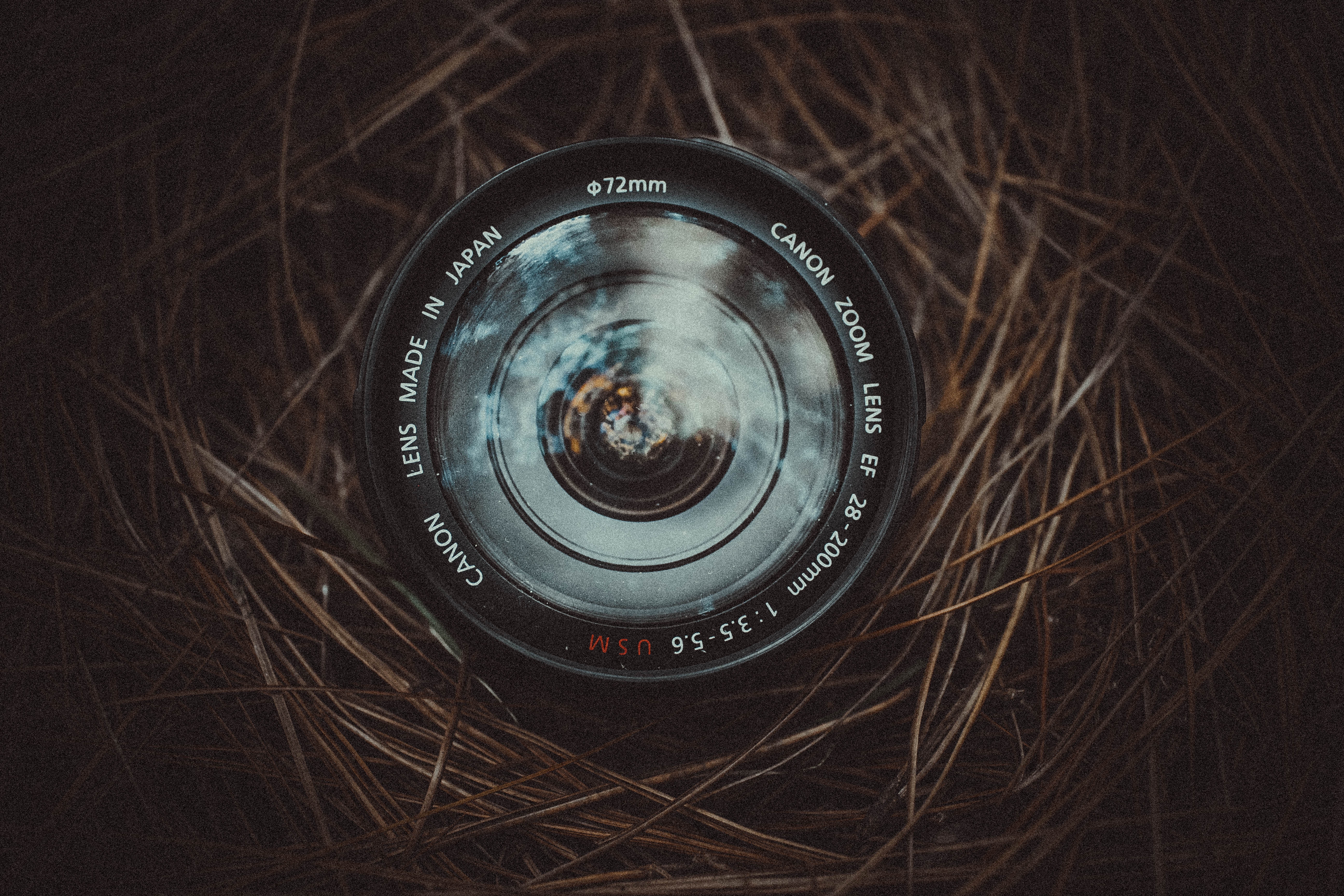
Focal length is the distance (in mm) from the centre of the lens to the sensor. Lens are named after this focal length and can be found on the barrel and end of the lens.
Why does it matter?
It matters because different focal lengths will show you the world differently. The focal length determines what is in focus, and how much of an image can be seen. A telephoto lens will have a longer focal length than a wide-angle lens which means that everything closer to you will be more focused, while things farther away are blurred or out of focus.
How to measure focal length?
Focal lengths are measured in millimetres and is determined by your camera’s lens, however crop cameras will have a smaller measurement.To calculate an accurate focal length on a crop-factor camera, you’ll need to divide the focal length by your crop factor.
Examples of photography with different focal lengths:
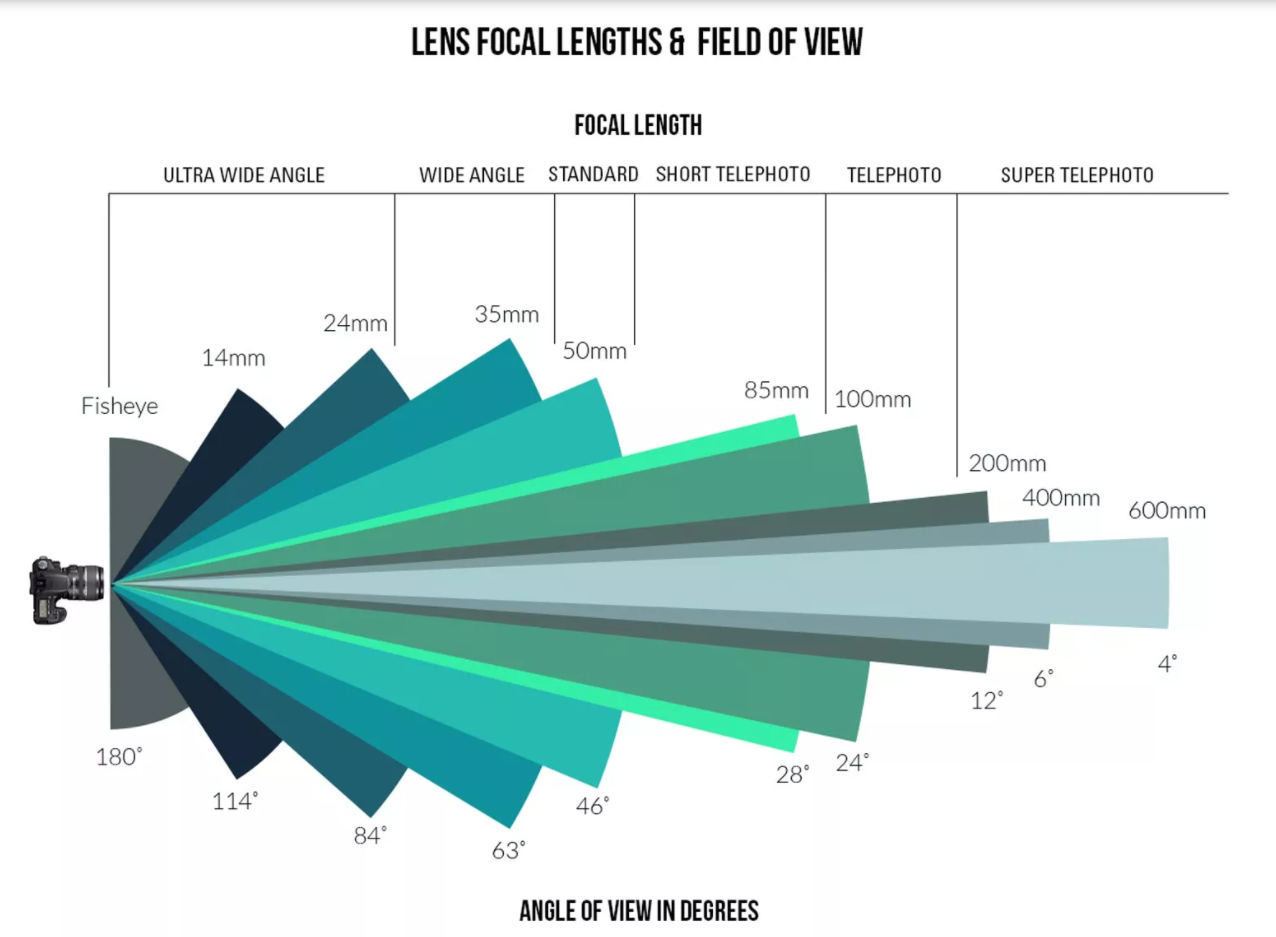
A wide-angle lens will capture more in an image than a telephoto one would because it has a shorter focal length and captures what is closer to you and it will also have a wider view. A telephoto lens will have a narrower field of view and can make objects appear closer, which is why it’s often used for photographing landscapes or wildlife.
Lenses of different focal lengths
There are six main classifications of lens based on their focal lengths:
- Ultra-wide angle lenses: from 14mm to 20mm
- Wide-angle lenses: 24mm to 35mm
- Standard Prime lens (50 mm): 50 mm focal length for most DSLR cameras and cropped sensor bodies.
- Medium telephoto lens: 24mm -100mm.
- Long telephoto lens: 70mm – 800mm.
- Extreme close-up lenses (macro): from 60mm upwards.
What Focal Length Should You Use? (Your lenses and focal lengths cheat sheet)
With so many lenses on the market, it can be hard to figure out which is best for you. To help guide your decision we have put together a list of common focal lengths and what sort of photography they might work with:
- 10mm – 24mm – This lens works well in tight spaces where close up shots are needed or when capturing landscapes as this length allows more space within an image than wider angles do. It also has a wide angle that shows much more detail/colour from foreground all the way through to background (but will distort perspective).
- Prime lenses are great for portraits, live events and still lifes. Going from 50mm to 100mm, these fixed focal lengths offer a go-to solution in many photography environments.
- Telephoto is perfect if you’re looking for something more rare like capturing subjects hundreds of feet away or want that narrow field of view with a shallow depth of field all the way up to 800mm!

Lenses of Different Focal Lengths Affect Perspective
Your focal length changes the field of view. Wider angle lens obviously have a wider field of view, whereas telephoto lens have a narrow field of view. For landscapes, you would use a wide angle and take in more of the scene to include as much detail as possible (especially with sweeping scenery).Your focal length changes depth of field. Wider angle lenses will allow for more depth, however zoom lens compress the depth.
Using a Proper Focal Length for Portrait Photography
Choosing a Focal Length for Portrait Photography
When choosing a focal length for portraits , the absolute best focal length to use is 135mm. This enables you enough distance between your subject and lens, but close enough that it feels more intimate.

Tips for Using Wide-Angle Lenses
Wide angle lenses can be fun because of their unique perspective on a scene, however they should not always be used as they often create lens distortion (Wider lenses make objects appear larger)
When taking a portrait, you can use the same focal length as your subject and allow for more compression of space to create that wonderful intimate feeling. Or you could go with a telephoto lens which will give an exaggerated perspective on size differences between objects in the frame by making them all seem much smaller than they actually are.If you’re looking for a focal length that creates a blurrier background then you may want to go with a longer focal length and use a wider aperture.
What focal length is my mobile?
For example, the iPhone has a 28mm equivalent focal length and should be taken into consideration when it comes to photo composition. Your iPhone camera has a fixed focal length of 28mm, which means that there is no zoom capability on your smartphone’s camera and the field of view can’t be changed. The lens will always see things at about 28mm so make sure you’re compensating for this when composing your shots by getting closer or moving further away yourself.


