
How to choose the best lens for food photography
Choosing the right best lens for food photography is an important decision. It can make or break your shot and it’s not always easy to know which lens is best suited for you. This blog post discusses how lenses differ, what a macro function is, and offers advice on choosing the best lens for your needs.
Just like when you’re searching for the best camera for food photography, you need to look at what features you want from your lens:
- To make the most of available light, it’s good to have a lens with a fairly ‘fast’ aperture rating.
- The option of a wide aperture also enables you to get a tight depth of field, so you can blur the background if you wish, or even isolate a particular part of a dish in close-ups, by blurring its immediate surroundings.
How lenses differ?
There are various factors that will effect your lens and in turn your food photography.
Cropped sensor vs Full Frame
If you’re working with a cropped sensor then your lens focal length is affected. If you have a focal length of 24mm on a cropped sensor (check your cropped sensor rate) you’ll need to multiple it by.
- 24mm x 1.6 = 38.4mm.
- 35mm x 1.6 = 56mm
- 60mm x 1.6 = 96mm
Prime versus Zoom
Zoom lenses are generally more versatile as they offer you the option to alter your lens, but prime lenses also have their benefits like a fixed focal length, which can often lead to better image quality.
Lowest Aperture Value
It’s also worth considering the lowest aperture value that your lens offers too as this will affect how much you need to use an ND filter for shooting outdoors in bright sunlight and it will effect your maximum shutter speed when using a flash indoors. The lower the aperture value also means it will be more expensive.
What is a macro function?
Macro lenses are a type of lens that is designed with the specific purpose of capturing close-up photographs. This means they can be used for all sorts of purposes, including showing off detail in fresh foods like strawberry seeds or revealing intricate textures on cakes or desserts.One of the main benefits of a macro lens is that it allows you to get up close and personal with your subject. This can lead to really detailed shots that show off all the textures and interesting shapes and lines. One of the drawbacks, however, is that if you want to include people in your shot then they might have a hard time fitting into the frame. Another disadvantage is that some macro lenses can be in focus, which limits them as far as what they’re able to do.
Best lens for food photography
There’s plenty of debate over which lens for food photography are the best, but it really does come down to personal preference. However, if you knew to photography and need a starting point.
Best focal length for food photography
You have different options for lenses best for food photography. The type of lens you choose will depend on what type of photography you want to do.
You can do wide angle lens (24mm-35mm) which will give you a more journalistic feel, just watch out for distortion, these are best for overhead food photography, flat lay food photography, and tables scene used in restaurant photography.
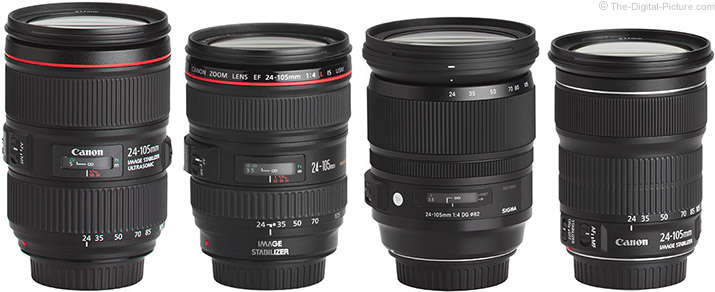
The 24-105mm zoom lens is great if you are travelling because it can be a wide-angle up to telephoto. If you want high quality, then use a narrow lens like the 100mm/105mm macro lens instead.
Which lens you choose will depend on the type of photography and what focal length is best for each of your shots.
Best entry-level Canon lenses for food photography beginners:
If you’re looking for an entry level Canon lens thats budget friendly then try out one of these; 50mm f/1.8 – f/1.4 prime lens, which can allow you to take high quality photos in low light because of its fast aperture. These Canon prime lenses are a good option for those on a budget, as they offer an excellent value with superb image quality but at the same time aren’t too expensive to replace if something happens.
They also come in two versions; EF and EF-S mount depending on your camera.
How to use a 50mm prime lens for food photography:
The 50mm prime lens is a great option for food photography because it can allow you to take detailed close-ups with enough detail showing every texture and as well as the colours. It also has an aperture of f/1.8 which enables you to shoot in low light situations.
Most versatile food photography lens
The 24-70mm zoom lens is the most versatile when it comes to food photography. It has a wide range of focal lengths, from short and wide shots at 24mm up to longer telephoto options at 70mm, which are great for isolating details in your photographs such as textures or colours.
How to use the 24-70mm zoom lens:


Best food photography lens for travelling:
The 24-105mm lens is great if you’re travelling then the best lens for food photography is going to depend on your needs and how much space you have in your kit bag.
If your only concern is getting close-up shots then they can also be much more affordable than the equivalent macro lens (although this varies depending on the manufacturer).
Best macro lens food photography
A macro lens around 100mm is ideal for portrait style food photography because it will enable you to get close enough and take detailed photos.

How to use the 100mm/105mm macro lens for food photography:
To take a photo with a macro function, it’s best to shoot from above by either kneeling or standing on something like a chair. This is because if you’re shooting at eye level then your camera will be too close and you’ll end up including your nose in the photo.
Which lens matches your food photography style?
The best way to find out what type of lenses work for you is by experimenting with them but as a starting point, if you’re taking photos that are more about showcasing fresh foods then try a 50mm prime lens like the Canon EF 50mm f/13. If you’re more interested in taking portraits with your food then a 100mm macro lens might be best for you.
Where Can I Learn More about Food Photography?
If you want to learn more about Food Photography, then you could try looking at our blog that covers this topic. You can also check out books on the subject and find more tutorials online like these from YouTube -.


