
Capturing Magic with Light Ray Photography
Have you ever stumbled upon a photograph so enchanting, it seemed to capture a slice of heaven? That’s the magic of light rays in photography. This captivating phenomenon not only mesmerizes photographers but also leaves viewers in awe. In this guide, we’ll explore the techniques, locations, and inspiration you need to master light ray photography and create stunning, ethereal images.
Understanding Light Rays
Light rays occur when sunlight is scattered by particles like dust, fog, or mist, creating visible beams of light. In photography, they are prized for their ability to add depth, drama, and a touch of magic to an image.
Types of Light Rays
Radial Light Rays

- These are direct beams of light that radiate from a single point, similar to the sun’s rays.
- Best Conditions: Capture these during sunrise or sunset when the light is softer and creates long shadows.
- Visual Impact: They draw attention and create a strong focal point in your images.
Blocked Light Rays

- These occur when light is obstructed by objects such as trees or buildings, creating striking patterns of light and shadow.
- Best Conditions: Perfect for capturing in forests or indoors through windows during early morning or late afternoon.
- Visual Impact: They add drama and contrast to your photos with dynamic interplay between light and dark.
Underwater Light Rays

- Light rays that penetrate water, creating beautiful, otherworldly patterns.
- Best Conditions: Best captured during high sun periods in clear waters.
- Visual Impact: They add an ethereal quality to underwater scenes, emphasizing the serenity of the aquatic world.
Where and when to Photograph Light Rays
Capturing magical light rays with Sunrise Photography

Forests on Foggy Mornings: Foggy mornings create a magical ambiance, diffusing sunlight and producing mystical light rays through the trees.
Best Time for Sunrise Shots: Early mornings are perfect for photography, as the soft and diffused light creates breathtaking images.
Why Sunrise Photography Works: The low angle of the sun produces long shadows and beautifully highlights light rays, making your photos pop.
Capturing Light Rays Indoors Through Windows

Best Locations for Indoor Window Light Rays
To capture exquisite light rays indoors, positioning is key. Seek rooms with large windows or spaces where natural light floods in, such as sunrooms or lightly coloured walls that reflect light. Rooms facing east are particularly advantageous for morning shoots, while those that face west will be ideal for capturing soft, golden light during the late afternoon.
When to Photograph Indoor Light Rays
The optimal time to photograph light rays indoors is during the golden hour, shortly after sunrise or before sunset, as the sunlight is lower and softer. During these times, sunlight streaming through windows can create beautiful beams, especially if there are particles in the air, like dust or fabric, to scatter the light. Additionally, capturing images right after a rain shower, when the atmosphere is cleansed, can help create striking visual effects with clear, defined rays.
By taking advantage of these locations and timings, photographers can create enchanting scenes filled with the magic of indoor light rays.
Celestial Sea Light Ray Photography Tips

Underwater Photography at Mid-Morning: During mid-morning to high sun, sunlight refracts through the water, creating spectacular patterns that dance across the sea floor, perfect for eye-catching underwater shots. Capturing light rays in sea photography greatly enhances the emotional and aesthetic quality of underwater images. Light penetrating the water illuminates marine life and creates depth, revealing stunning contrasts and textures. The unique scattering properties of water generate dynamic patterns that evoke various feelings, while clearer waters provide a dreamlike quality. This combination allows photographers to tell captivating stories, making light ray photography a vital technique in the field.
Techniques for Capturing Light Rays
Essential Equipment
- Tripod: Ensures stability for sharp images.
- Circular Polariser: Reduces glare and enhances contrast, making light rays more vivid.
- Camera Settings:
- Aperture: Use a smaller aperture (f/14-f/16) for sharpness across the scene.
- Shutter Speed: Slower speeds allow more light, accentuating the rays.
Shooting Tips
- Contrast: Position light rays against darker backgrounds to amplify their effect and create more dramatic scenes.
Creating Rays: Use natural or man-made objects like trees or buildings to block light and create your own rays.
How to create your own light rays
Creating Artificial Light Rays
Artificial light rays can be created using various lighting equipment, such as softboxes, spotlights, or LED panels, to mimic the natural illumination effects seen in outdoor photography. By positioning these lights correctly and using modifiers, photographers can replicate the ethereal quality of natural light rays in controlled environments.

Techniques for Creating Artificial Light Rays
To produce light rays artificially, direct light towards a surface, allowing it to scatter and create beams. One effective method is to place a light source behind a translucent object or through a fog machine, which will diffuse the light. Adjusting the angle and distance of the light source can help in fine-tuning the desired intensity and effect of the rays. Additionally, using a dimmer allows for better control over the light’s brightness, enhancing the overall impact.
Applications in Portraits, Food Photography, and Product Photography

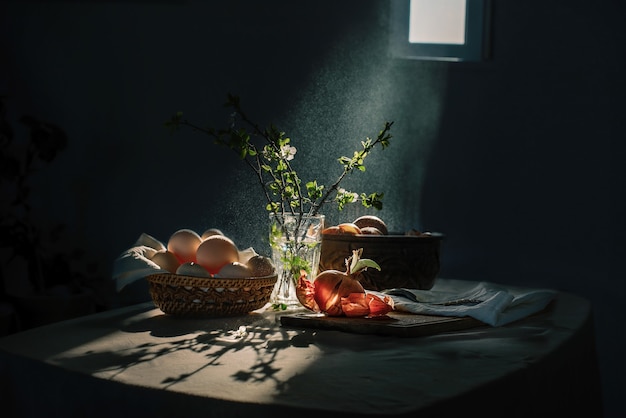

- Portraits: Using artificial light rays in portrait photography adds depth and drama to the subject. When strategically placed, these rays can highlight features, create separations between the subject and background, and evoke a specific mood or ambiance, enhancing the emotional connection of the image.
- Food Photography: In food photography, artificial light rays can simulate the warm glow of natural sunlight, making dishes appear more appetising. By creating soft beams that illuminate the food, photographers can highlight textures and colours, elevating the overall presentation and allure of the culinary subject.
- Product Photography: For product shots, light rays can guide the viewer’s attention to specific features or create a gorgeously lit environment around the product. This enhances the visual storytelling of the image, giving potential customers a captivating view that highlights the product’s details and quality.
Inspiration from the Masters
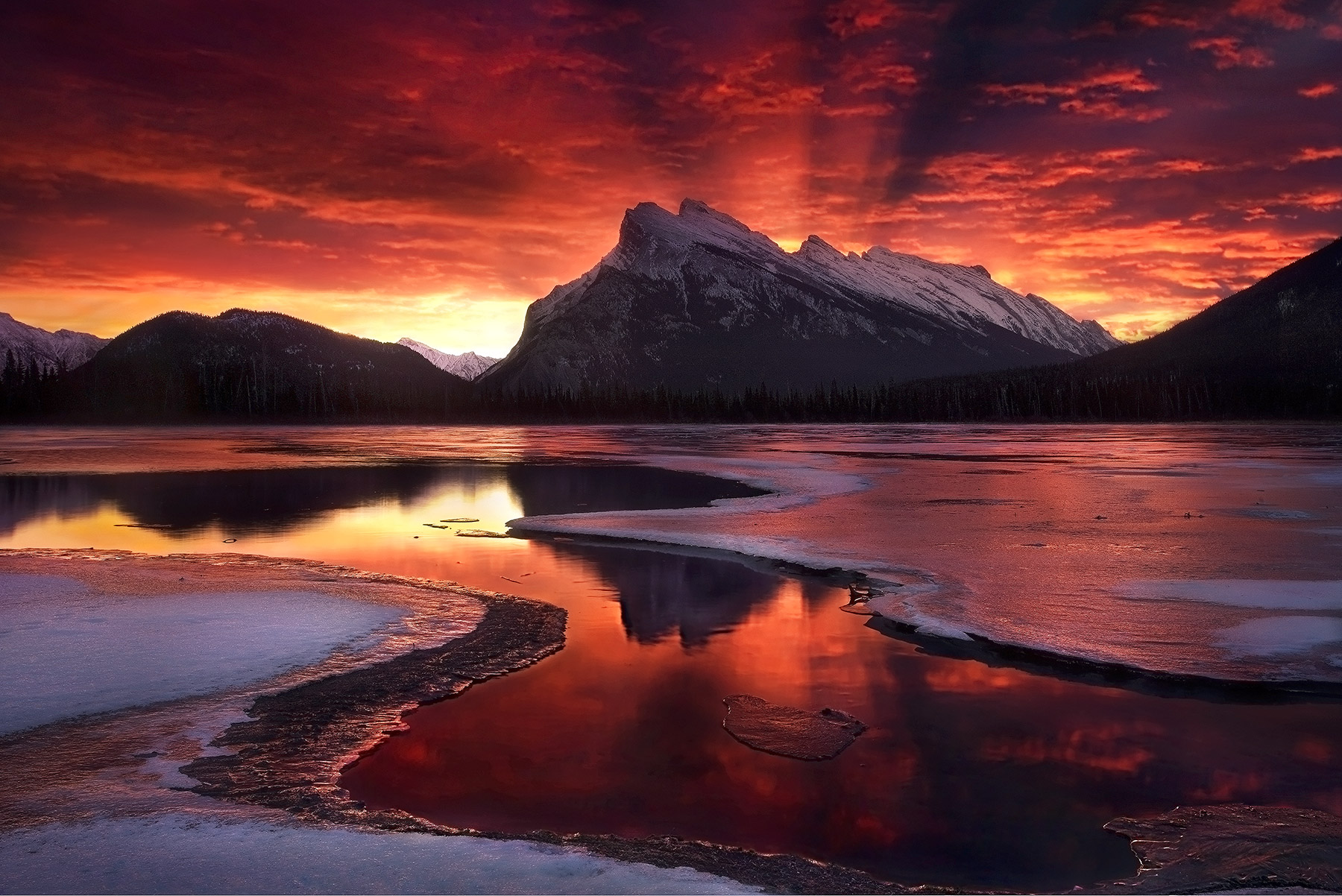
- Specialty: Known for dramatic landscapes featuring light rays that evoke emotion and wonder.
- Notable Works: His series on the Pacific Northwest showcases breathtaking use of light rays piercing through dense fog.
Elia Locardi
- Specialty: Integrates light rays into his global travel photography, emphasizing light and composition.
- Notable Works: His stunning captures of rays illuminating historic cityscapes are awe-inspiring.
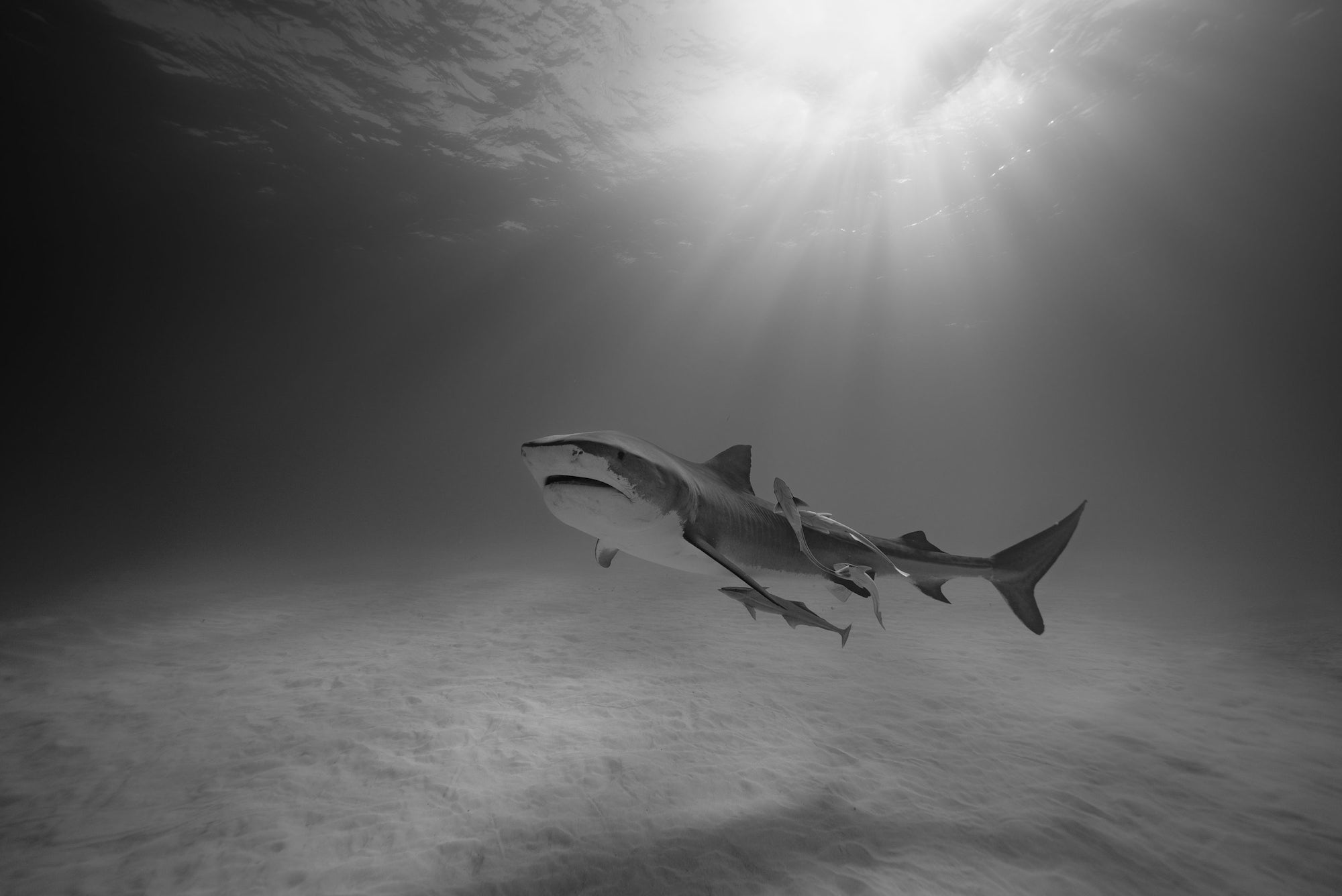
- Specialty: Renowned for his underwater photography, highlighting the beauty of light rays.
- Notable Works: His serene underwater scenes beautifully capture the interplay of light and marine life.
FAQ
What should I do if my light rays aren’t visible in the final photo?
Try adjusting contrast in post-processing, or seek darker backgrounds for better visibility.
How can I capture underwater light rays if I don’t have specialized equipment?
Consider renting underwater housing for your camera or use a GoPro with appropriate filters.
Capturing light rays requires a blend of technical skill and artistic vision. Understanding how light interacts with the environment and mastering the techniques outlined in this guide will enable you to create images that are not only visually stunning but also emotionally resonant.
Ready to start your light ray photography adventure? Grab your camera and head out at dawn or noon, find the perfect spot, and don’t forget to share your magical captures with us! Share your photos on social media using the hashtag #LightRayPhotography, or drop a comment below with your favorite shots and experiences.


