
Timepiece Perfection: A Photographer’s Guide to Watches
In the world of photography, capturing the essence and beauty of watches is a detailed process that requires precision, creativity, and a deep understanding of both photography and the timepieces themselves. Whether you’re a watch enthusiast eager to showcase your collection, a jewelry seller aiming to elevate your online presence, or a photography hobbyist interested in exploring new subjects, this guide will lead you through the ins and outs of watch photography.
Photography Gear and Camera Settings for Watch Photography
Camera: A DSLR or mirrorless camera with manual settings will give you the best control over your photography.
Lens: A macro lens with a focal length between 60mm and 105mm is ideal for watch photography. This range allows you to get close enough to capture detailed shots without distorting the image.
Tripod: Essential for stabilizing your camera, especially in low light situations or when using slow shutter speeds to avoid blur.
Lighting: Continuous lighting or a softbox can help you illuminate the watch evenly, highlighting its features without causing harsh reflections.
Settings: Use a low ISO to minimize grain. Aperture settings will vary depending on the desired depth of field, but an aperture of f/8 to f/16 can provide a sharp focus on the watch. Shutter speed is less critical if you’re using a tripod but adjust according to your lighting setup.
Staging Accessories and Props
Using props can add context and enhance the story of your watch photos. Consider including elements that reflect the lifestyle or values associated with the watch, such as luxury pens, cufflinks, or even a neatly folded newspaper.
Watch Photography Stand
Consider using a watch stand in your setup for watch photography. This allows for better focus and stability, resulting in clearer and sharper images.
There are various types of watch stands available on the market, ranging from simple acrylic stands to more advanced motorized ones. The type you choose will depend on your budget and specific needs.
One benefit of using a watch stand is that it eliminates the need for constantly adjusting the position of the watch during your photoshoot. This can be especially helpful if you are trying to capture intricate details or multiple angles of the watch.
Another advantage is that it helps create consistent lighting. By elevating the watch off of a flat surface, you can easily position lights around it to create the desired lighting effect. This is especially important when photographing reflective surfaces, such as metal or glass.
Watch stands also allow for better control over the depth of field in your images. By elevating the watch, you can easily adjust the distance between the camera and the subject to achieve a shallow or deep depth of field. This can be useful when trying to highlight certain features or details of the watch.
When choosing a watch stand, make sure to consider its size and weight capacity. You want to ensure that it can support your specific watch model without being too bulky or taking up too much space on your photography setup.
The Best Angle for Photographing Watches
Experimenting with angles is key to finding the most flattering perspective for each watch. A common starting point is shooting the watch at a 45-degree angle, which showcases the face and the band. However, feel free to try different orientations and positions to highlight unique features or create dynamic compositions.
Selective Focus vs Focus Stacking
Selective Focus: This technique involves focusing on just one part of the watch, like the logo or hands, while the rest falls softly out of focus. It’s great for creating a sense of mystery or drawing attention to specific features.
Focus Stacking: This technique involves taking several photos with different focus points and then combining them in post-processing to create an image that is sharp throughout. It’s particularly useful for detailed shots where you want every aspect of the watch to be in focus.
Watch Photography Ideas

Wrist Shot:Showcase the watch as it is worn. This adds a human element and allows viewers to imagine how the watch might look on their own wrist.

Floating Shot:A challenge to create but visually striking, floating shots involve suspending the watch in the air, often with the help of transparent wires that are edited out in post-production.

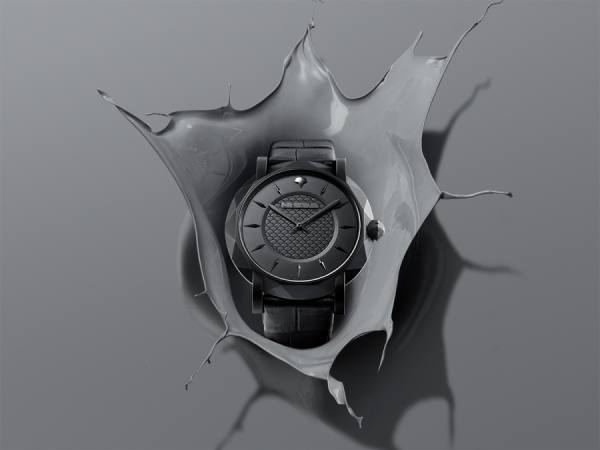
Splash Shot: Ideal for watches that are water-resistant, splash shots capture the watch amidst a dynamic splash of water, emphasizing durability and performance.

Macro Shots: Capture intricate details of the watch face, hands, and dial by using a macro lens to get up close.

Reflections: Incorporate reflections by placing the watch on a reflective surface like glass or polished metal, creating a dynamic composition.
Contrast: Create visual interest by juxtaposing the watch against contrasting textures or colors, such as placing a sleek watch on rough, textured fabric.
Light Painting: Experiment with light painting techniques to create unique and artistic effects around the watch, adding a touch of mystery and intrigue.
Symmetry: Arrange the watch symmetrically with other objects or elements in the frame, creating a sense of balance and harmony.

Focus Stacking: Combine multiple images taken at different focus points to ensure that every detail of the watch is tack sharp, especially useful for macro shots with shallow depth of field.
Lifestyle Setting: Photograph the watch in a setting that reflects its intended use, such as on a wrist in an urban environment or alongside other accessories like cufflinks or sunglasses.
How to Photograph Luxury Watches
For high-end watches, focus on capturing the materials’ texture and quality, such as the gleam of polished metal or the intricate weave of a leather band.
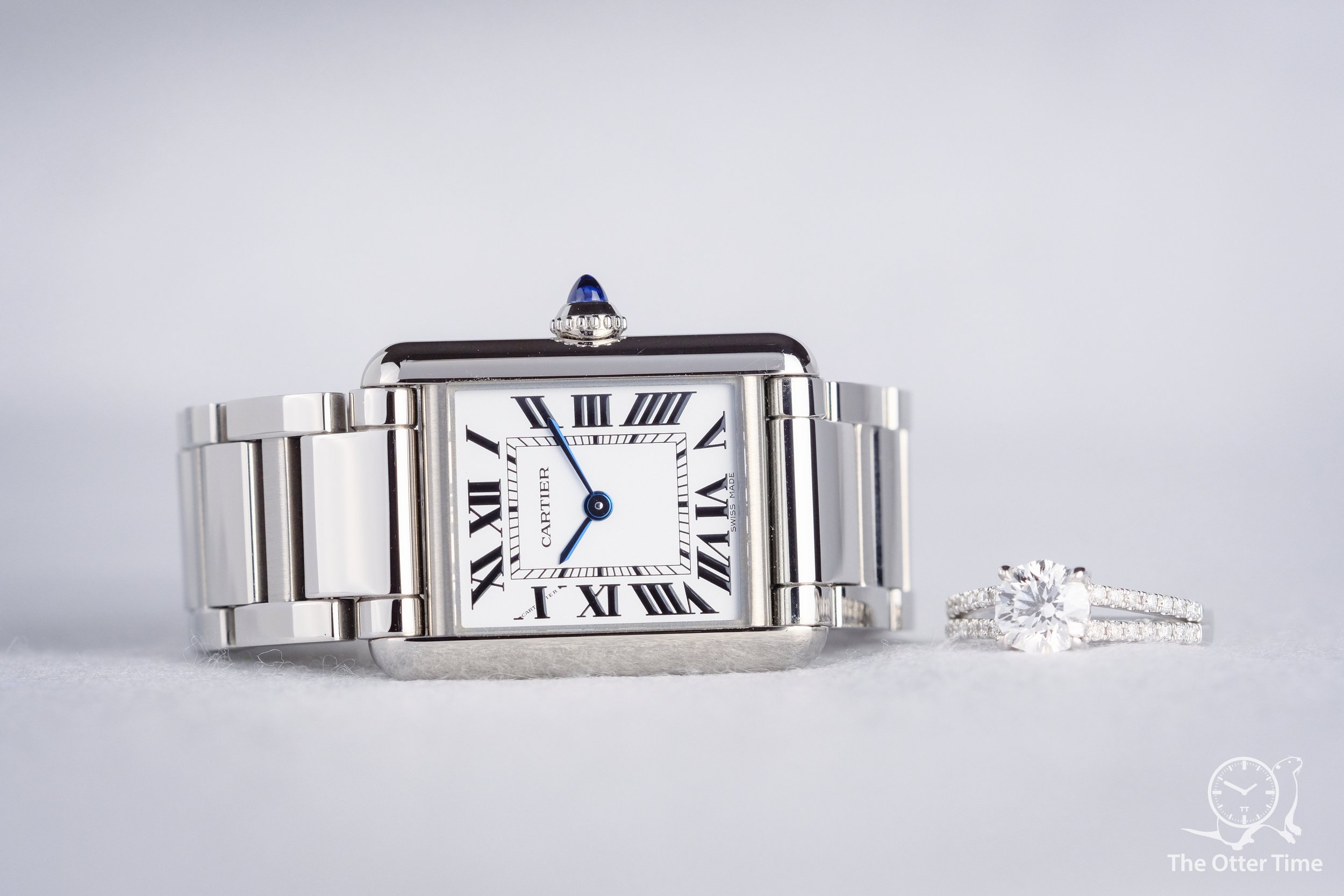
Watch Pairings: Showcase multiple watches together, either from the same collection or contrasting styles, to create visually appealing compositions and highlight the diversity of the brand’s offerings.

Photographing Watches Tips
- Utilize Polarizing Filters: Polarizing filters can be incredibly useful when photographing watches, especially if they have reflective surfaces like glass or polished metal. These filters help reduce glare and reflections, allowing you to capture clearer images of the watch face and details without unwanted distractions. Experiment with adjusting the filter‘s angle to minimize reflections while still maintaining the desired level of shine on the watch.
- Create Custom Watch Stands: Instead of using generic watch stands, consider creating custom stands or props that complement the watch’s style and enhance its visual appeal. For example, you could design stands from materials that reflect the watch’s brand identity or incorporate elements from its design inspiration. Custom stands not only provide a unique backdrop for the watch but also help tell a story and create a cohesive visual narrative for your product photography.
- Experiment with Diffusion Gels: While softboxes and diffusers are commonly used to create soft, even lighting, experimenting with diffusion gels can offer a unique way to control and shape light. By placing diffusion gels over your light sources, you can create subtle gradients of light and shadow, adding depth and dimension to your watch photographs while maintaining a soft, flattering light.


